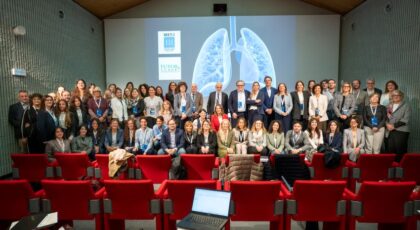


La definizione è ermetica NIBIT-EPI-MESO, sembra il nome in codice di un agente segreto. Nella sostanza, invece, è un propagatore di nuova speranza sulla frontiera delle cure del mesotelioma.
Nibit Epi Meso è la denominazione dello studio, pubblicato recentissimamente sulla rivista Nature Genetics, che consente di capire in anticipo se un malato di mesotelioma risponderà bene o no all’immunoterapia.
Questa la sintesi. E ora ripartiamo da capo.
Fondazione Nibit: chi è?
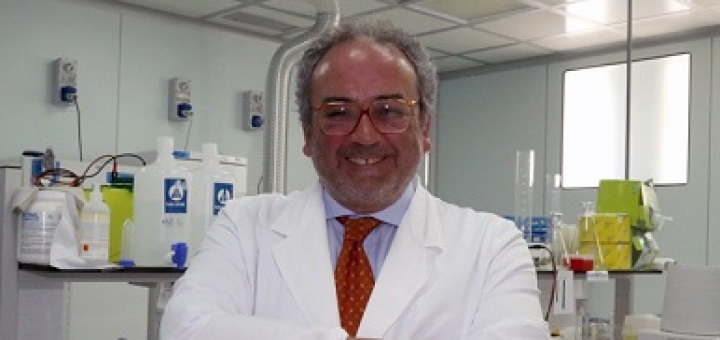
La Fondazione Nibit onlus si è costituita nel 2012, è presieduta da Michele Di Maio, tra i maggiori esperti mondiali nel campo dell’immunoterapia oncologica, professore ordinario di Oncologia Medica all’Università di Siena e direttore del Centro di Immuno-Oncologia (Cio) dell’Azienda Ospedaliero-Universitaria Senese.
La Fondazione Nibit https://www.fondazionenibit.org/ha lo scopo di ideare, pianificare e incrementare gli studi clinici nel campo dell’immunoterapia dei tumori.
Immunoterapia e chemioterapia
A differenza della chemioterapia, che si prefigge di colpire le cellule tumorali, l’immunoterapia ha lo scopo di risvegliare la capacità del nostro organismo di difendersi dai tumori.
In che modo? Sollecitando le cellule del sistema immunitario (cioè, diciamo così, il nostro esercito di difesa personale) per renderle più efficaci a riconoscere e combattere il tumore stesso.
Poiché le cellule tumorali spesso producono dei segnali che frenano l’attività naturale del sistema immunitario, i farmaci immunoterapici servono a rimuovere questi «blocchi» lasciando, quindi, via libera al sistema immunitario stesso di attaccare il cancro.
L’immunoterapia non è per tutti
L’immunoterapia da alcuni anni rappresenta il nuovo approccio terapeutico per contrastare i tumori, ma non tutti i pazienti di mesotelioma pleurico ne hanno giovamento. Ricordiamo che, a livello nazionale, i nuovi casi diagnosticati all’anno sono 1800-2000.
In Italia, l’immunoterapia per il mesotelioma è stata approvata dall’Aifa quattro anni fa, ma autorizzata soltanto per i malati affetti da mesotelioma sarcomatoide o bifasico, che non traggono benefici dalla chemioterapia tradizionale (sono circa un quarto). Solo per questi pazienti, dunque, i farmaci immunoterapici vengono rimborsati.
La «metilazione»
Gli autori dello Studio Nibit (realizzato nel Programma Airc “5 per mille” Epica, sviluppato dalla Fondazione Nibit e sostenuto da Fondazione Airc) sono andati oltre la suddivisione istologica che si basa sulla morfologia cellulare (epitelioide, bifasico, sarcomatoide).
Hanno analizzato il dna del tumore e hanno scoperto una sorta di «interruttore» chiamato «metilazione» che rende più permeabile o più impenetrabile l’azione del sistema immunitario.
La «metilazione» è da immaginare, appunto, come un interruttore che decide quali geni devono funzionare.
Se la metilazione è bassa vuol dire che c’è una barriera blanda attorno al tumore e, quindi, il sistema immunitario può agire con maggiore efficacia.
Se la metilazione è alta significa che lo scudo è tenace e quindi il sistema immunitario fatica a funzionare o non riesce ad agire per niente.
Conseguenze della scoperta
Questa scoperta consentirà di trattare i pazienti non solo in base alla suddivisione istologica (epitelioide, bifasico, sarcomatoide), ma in base alle differenze molecolari.
Si potrà così individuare l’immunoterapia giusta per quel malato, evitando cure inefficaci.
Inoltre, la nuova classificazione basata sulla metilazione potrebbe consentire l’autorizzazione a procedere con l’immunoterapia (quindi con rimborso dei farmaci) anche in casi di mesoteliomi epitelioidi, oggi esclusi.
E i pazienti a metilazione elevata (cioè, nei quali l’immunoterapia fatica a funzionare)? «Potranno comunque beneficiare in futuro di strategie combinate» per abbattere la barriera che rende il tumore inattaccabile dal sistema immunitario.
Chi ha condotto lo studio Nibit
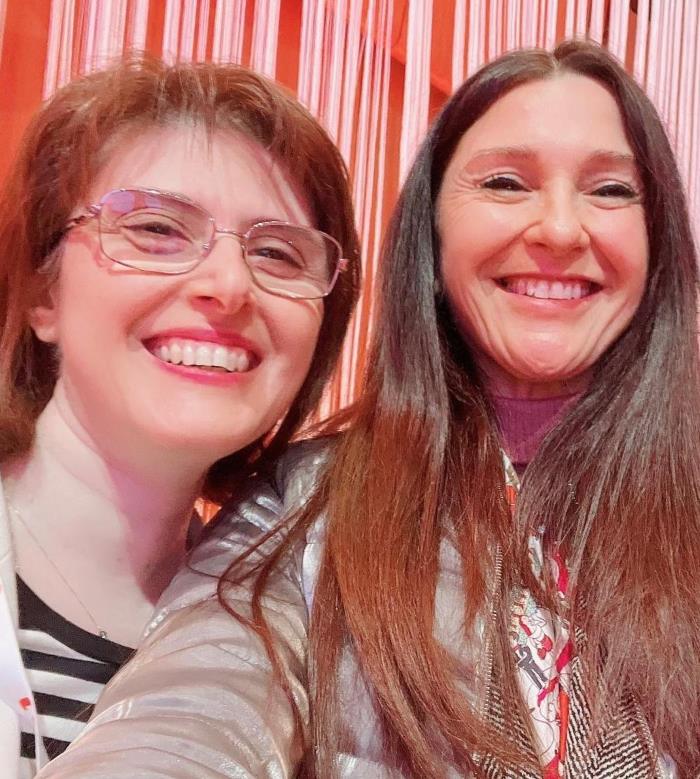
Lo studio Nibit-Epi-Meso è stato coordinato dai medici e dagli scienziati della Fondazione Nibit in collaborazione con i centri di eccellenza di Alessandria (con l’oncologa Federica Grosso), di Ferrara (con l’oncologa Luana Calabrò, professore associato di Oncologia Medica, primo autore dell’articolo pubblicato su Nature Genetics), di Milano (con Andrea Anichini, della Fondazione Irccs all’Istituto Nazionale dei Tumori) e di Napoli.
Sono stati analizzati retrospettivamente (cioè esaminando dati e cartelle cliniche) 91 pazienti affetti da mesotelioma pleurico (un terzo dei casi attinti dalla casistica casalese che fa riferimento alla Struttura Mesotelioma e Tumori rari dell’Azienda ospedaliera universitaria di Alessandria, diretta dalla dottoressa Grosso) trattati con la combinazione di due farmaci immunoterapici. I ricercatori li hanno suddivisi in quattro gruppi, in base alla «metilazione» del dna tumorale, così da predire sia la risposta al trattamento sia la sopravvivenza.
Autorevolezza dello studio
Lo studio Nibit-Epi-Meso ha meritato la pubblicazione su Nature Genetics https://it.wikipedia.org/wiki/Nature_Genetics, una delle riviste scientifiche più prestigiose e autorevoli nel campo della genetica e della genomica. Fondata nel 1992, è un riferimento qualificato a livello internazionale per genetisti e ricercatori, grazie alla rilevanza degli studi pubblicati in oltre trent’anni (ad esempio, sull’Alzheimer, sul cancro e autismo).
TRANSLATION by VICTORIA FRANZINETTI
The NIBIT FOUNDATION STUDY
The name NIBIT-EPI-MESO is rather cryptic; it sounds like the code name of a secret agent. However, it heralds new hope at the forefront of mesothelioma treatment. Nibit Epi Meso is the name of the study, published very recently in the journal Nature Genetics, which makes it possible to predict in advance whether a mesothelioma patient will respond well to immunotherapy or not.
That is the summary. And now let’s start from the beginning.
The Nibit Foundation: who are they?
The Nibit Foundation (a non-profit organisation) was established in 2012 and is chaired by Michele Di Maio, one of the world’s leading experts in the field of cancer immunotherapy, a full professor of Medical Oncology at the University of Siena and director of the Centre for Immuno-Oncology (CIO) at the Siena University Hospital. The Nibit Foundation aims to devise, plan and expand clinical trials in the field of cancer immunotherapy.
Immunotherapy and chemotherapy
Unlike chemotherapy, which aims to target cancer cells, immunotherapy aims to reawaken our body’s ability to defend itself against tumours. How? By stimulating the cells of the immune system (that is, so to speak, our personal defence force) to make them more effective at recognising and fighting the tumour itself.
Since cancer cells often produce signals that inhibit the natural activity of the immune system, immunotherapy drugs serve to remove these ‘blocks’, thereby giving the immune system free rein to attack the cancer.
Immunotherapy is not for everyone
For some years now, immunotherapy has represented a new therapeutic approach to combating cancer, but not all patients with pleural mesothelioma benefit from it. It is worth noting that, nationally, there are 1,800–2,000 new cases diagnosed each year. In Italy, immunotherapy for mesothelioma was approved by AIFA four years ago, but authorised only for patients with sarcomatoid or biphasic mesothelioma who do not benefit from traditional chemotherapy (around a quarter). It is therefore only for these patients that immunotherapy drugs are reimbursed.
‘Methylation’
The authors of the Nibit Study (carried out as part of the AIRC ‘5 /OOO Epica Programme, developed by the Nibit Foundation and supported by the AIRC Foundation) went beyond the histological classification based on cell morphology (epithelioid, biphasic, sarcomatoid). They analysed the tumour’s DNA and discovered a sort of ‘switch’ called ‘methylation’ that makes the immune system’s action either more permeable or more impenetrable.
‘Methylation’ can be thought of, precisely, as a switch that decides which genes should function.
If methylation is low, it means there is a weak barrier around the tumour and, therefore, the immune system can act more effectively.
If methylation is high, it means the shield is strong and therefore the immune system struggles to function or fails to act at all.
Consequences of the discovery
This discovery will enable patients to be treated not only according to histological classification (epithelioid, biphasic, sarcomatoid), but also according to molecular differences.
It will thus be possible to identify the right immunotherapy for that patient, avoiding ineffective treatments. Furthermore, the new classification based on methylation could allow authorisation to proceed with immunotherapy (and therefore reimbursement of the drugs) even in cases of epithelioid mesotheliomas, which are currently excluded. And what about patients with high methylation (i.e., in whom immunotherapy struggles to work)? ‘They will still be able to benefit in the future from combination strategies’ to break down the barrier that makes the tumour immune to attack by the immune system.
Who conducted the Nibit study
The Nibit-Epi-Meso study was coordinated by doctors and scientists from the Nibit Foundation in collaboration with centres of excellence in Alessandria (with oncologist Dr Federica Grosso), in Ferrara (with oncologist Dr Luana Calabrò, associate professor of Medical Oncology and first author of the article published in Nature Genetics), in Milan (with Dr Andrea Anichini, of the IRCCS Foundation at the National Cancer Institute) and in Naples.
A retrospective (ex-post) analysis (i.e. examining data and medical records) was carried out on 91 patients with pleural mesothelioma (a third of the cases drawn from the Casale cohort managed by the Mesothelioma and Rare Tumours Unit at the University Hospital of Alessandria, directed by Dr Grosso) treated with a combination of two immunotherapy drugs. The researchers divided them into four groups, based on the ‘methylation’ of tumour DNA, in order to predict both treatment response and survival.
Authority of the study
The Nibit-Epi-Meso study was published in Nature Genetics, one of the most prestigious and authoritative scientific journals in the field of genetics and genomics. Founded in 1992, it is an internationally recognised reference for geneticists and researchers, thanks to the significance of the studies published over more than thirty years (for example, on Alzheimer’s, cancer and autism).