
Ogni tentativo di fuggire dal processo è una nuova mortificazione inflitta a chi aspetta la giustizia.
La traduzione della sentenza di secondo grado del processo Eternit Bis è stata fatta.
A seguire, nei giorni scorsi, la difesa ha presentato il nuovo ricorso per Cassazione.
Sono in tutto 640 pagine, 64 in più rispetto alla prima impugnazione del novembre 2025.
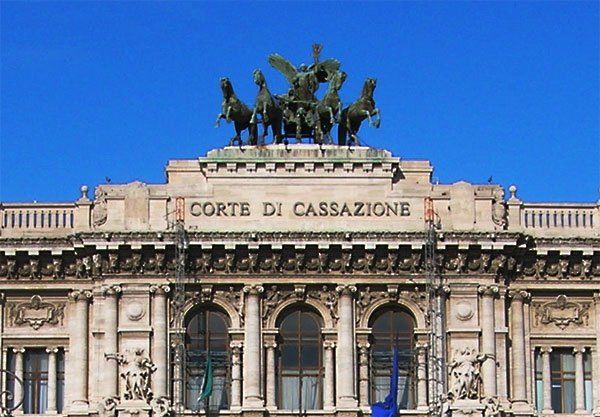
La Corte di Cassazione, l’11 febbraio 2026, aveva accolto la sollecitazione degli avvocati Astolfo Di Amato e Guido Carlo Alleva: avevano eccepito la nullità della sentenza pronunciata dalla Corte d’Assise d’Appello nell’aprile 2025 per via dell’omessa traduzione in tedesco, la lingua con cui l’imputato svizzero Stephan Schmidheiny ha maggiore famigliarità.https://www.silmos.it/eternit-bis-schmidheiny-ottiene-dalla-cassazione-che-la-sentenza-sia-tradotta-anche-in-tedesco/
Ora che la traduzione è stata fatta (notificata il 2 aprile 2026) e che la difesa ha depositato un secondo ricorso (19 maggio 2026), la Suprema Corte dovrà fissare una nuova udienza per dare il via al giudizio di terzo grado.
Non si sa se sarà prima o dopo l’estate.
Nel processo di secondo grado, i giudici torinesi hanno inflitto all’imputato la pena di 9 anni e mezzo di reclusione per omicidio colposo anche aggravato da colpa cosciente.
NE BIS IN IDEM
Nella nuova impugnazione, uno dei punti salienti su cui la difesa ampiamente si sofferma è rappresentato dalla asserita violazione del cosiddetto principio del «ne bis in idem». https://www.silmos.it/eternit-bis-si-va-in-cassazione-schmidheiny-lamenta-la-sentenza-non-mi-e-stata-tradotta-in-tedesco/
Nel procedimento Eternit Bis, la questione era stata già ripetutamente sollevata dai difensori, ma sempre respinta sia dal gup di Vercelli, sia dalla Corte d’Assise di Novara, sia dalla Corte d’Assise d’Appello di Torino.
L’assunto è questo: non si può processare una persona due volte per gli stessi fatti.
Di Amato e Alleva hanno sempre rimarcato che l’imputato era già stato giudicato nel Maxiprocesso Eternit 1 per le condotte adottate negli stessi stabilimenti italiani (tra cui quello di Casale Monferrato). Maxiprocesso nel quale l’imprenditore svizzero era stato condannato – per disastro doloso e omissione dolosa di cautele contro gli infortuni sul lavoro – in primo grado (a 16 anni), in secondo (a 18 anni) e prosciolto in Cassazione per prescrizione (senza che peraltro ne sia stata affermata l’innocenza).
ECCEZIONE GIA’ SOLLEVATA E RESPINTA
La reiterata eccezione del ne bis in idem è sempre stata respinta perché l’imputazione a cui è chiamato a rispondere Schmidheiny nell’Eternit Bis è di natura diversa da quella del Maxiprocesso: non più disastro doloso, ma omicidio doloso (secondo la contestazione della procura), riqualificato in colposo anche con colpa cosciente (secondo la Corte d’Assise e, successivamente, anche dalla Corte d’Assise d’Appello).
NUOVA SENTENZA CORTE GIUSTIZIA UE
Ora, però, gli avvocati di Schmidheiny, insistendo nella loro tesi, richiamano a sostegno una recente sentenza della Corte di Giustizia dell’Unione Europea, datata 11 settembre 2025, secondo la quale, per valutare l’«idem factum», cioè lo stesso fatto, conta la «medesimezza della condotta». Quindi, secondo le argomentazioni esposte dagli avvocati Di Amato e Alleva, non importa che i reati ascritti nei due procedimenti (Maxiprocesso e Eternit Bis) siano diversi; rileverebbe, invece, che la condotta contestata a Schmidheiny nella gestione degli stabilimenti Eternit sia quella addebitata già nel primo procedimento per disastro.
Da qui la richiesta dei legali di prosciogliere Schmidheiny o, in subordine, interpellare direttamente su questo punto la Corte di Giustizia dell’Unione Europea.
NESSO CAUSALE E PRESUNZIONE DI INNOCENZA
La difesa, poi, torna a insistere sulla questione del «nesso di causalità» (ossia il collegamento di ogni singola vittima alle precise fibre respirate e ritenute letali) oltre che sulla presunzione di innocenza di Schmidheiny; in particolare, i legali sostengono che, nella sentenza della Corte d’Assise d’Appello, si sarebbe desunta la colpevolezza dell’industriale dal fatto che aveva una carica apicale nel gruppo.
Era, infatti, il padrone dell’Eternit.
Ma a loro parere questo non basta; la colpa della diffusione criminosa della fibra (anche fuori dalla fabbrica) potrebbe essere ricondotta non al vertice della holding, ma a comportamenti dei dirigenti degli stabilimenti (nel gergo del popolo, si chiama «scaricabarile»). E come giudicare quelle condotte? Sconsiderate e irresponsabili? Imprudenti e inconsapevoli?
CHI TUTELA LE VITTIME?
Ora, preso atto delle tutele, peraltro legittimamente invocate, a favore dell’imputato, c’è da domandarsi chi tuteli le vittime.
Che è l’interrogativo di sempre. Da diciassette anni almeno.
C’è da domandarsi, cioè, se per la Corte Europea e ancor più per lo Stato italiano, possa venire meno l’obbligo costituzionale di punire severamente le offese alla vita umana. Qui si parla di centinaia di «offese alla vita umana» (traduzione: centinaia di morti per mesotelioma, il cancro causato inconfutabilmente dall’amianto).
LA FUGA DAL PROCESSO
Peraltro, nemmeno l’imputato ha provato e ha cercato – fino ad ora e in nessuno dei filoni e livelli processuali che sono stati celebrati – di affermare e dimostrare la propria innocenza.
Si è sempre impegnato, invece – con il ricorso a cavilli giuridici, lo ripetiamo, leciti – a svicolare dal processo, cioè a difendersi dal processo e non nel processo.https://www.silmos.it/eternit-bis-schmidheiny-mira-alla-fuga-dal-processo/
Questa fuga ostinata e continua rende lecito ritenere che non si senta innocente?
E non potrà dire di non aver capito bene di che cosa lo si accusi, perché ha tra le mani tutta la vicenda meticolosamente tradotta nella sua lingua.
Non può non capire.
Può non voler capire.
TRANSLATION by VICKY FRANZINETTI
By Silvana MOSSANO
The translation of the appeal court verdict in the Eternit Bis trial has been completed. Subsequently, in recent days, the defence has lodged a new appeal with the Court of Cassation. The 640-page appeal is 64-page longer than the first one filed in November 2025.
On 11 February 2026, the Court of Cassation had granted the request made by defence lawyers Drs Astolfo Di Amato and Guido Carlo Alleva: they had argued that the judgment handed down by the Court of Assizes of Appeal in April 2025 was nullified due to the failure to provide a translation into German, the language with which the Swiss defendant Stephan Schmidheiny is most familiar. https://www.silmos.it/eternit-bis-schmidheiny-ottiene-dalla-cassazione-che-la-sentenza-sia-tradotta-anche-in-tedesco/.Now that the translation has been completed (April the 2nd 2026) and the defence has lodged a second appeal (May the 19th 2026), the Court of Cassation will have to set a new hearing date for the proceedings.
It is not known whether this will be before or after the summer. In the appeal proceedings, the Turin judges sentenced the defendant to nine and a half years’ imprisonment for manslaughter, aggravated by wilful negligence.
NE BIS IN IDEM (Double Jeopardy)
In the new appeal, one of the key points on which the defence focuses extensively is the alleged violation of the so-called ‘ne bis in idem (double jeopardy)’ principle. https://www.silmos.it/eternit-bis-si-va-in-cassazione-schmidheiny-lamenta-la-sentenza-non-mi-e-stata-tradotta-i
In the Eternit Bis trial, this issue had already been raised repeatedly by the defence attorneys, but it was consistently rejected by the preliminary hearing judge in Vercelli, the Court of Assizes in Novara, and the Court of Assizes of Appeal in Turin.
The argument is that a person cannot be tried twice for the same acts.
Lawyers Di Amato and Alleva have consistently pointed out that the defendant had already been tried in the Eternit 1 Maxi-trial for conduct at the same Italian plants (including the one in Casale Monferrato). In that trial, the Swiss businessman was convicted—of intentional disaster and intentional failure to take precautions against workplace accidents—in the first instance (to 16 years), in the second instance (to 18 years), and acquitted by the Court of Cassation due to the statute of limitations (without, however, his innocence having been established).
EXCEPTION ALREADY RAISED AND REJECTED
The repeated invocation of the ne bis in idem principle has always been rejected because the indictment S. Schmidheiny faces in the Eternit Bis case is different from than that in the Maxi-trial: no longer wilful disaster, but wilful murder (according to the prosecution’s charge), reclassified as negligent manslaughter, including with wilful negligence (according to the Court of Assizes and, subsequently, also by the Court of Assizes of Appeal).
NEW RULING BY THE EU COURT OF JUSTICE
Now, however, Schmidheiny’s lawyers, insisting on their argument, cite in support a recent ruling by the Court of Justice of the European Union, dated September 11, 2025, according to which, in assessing the “idem factum,” that is, the same act, what matters is the “identity of the conduct.” Therefore, according to the arguments put forward by attorneys Drs Di Amato and Alleva, it does not matter that the offenses charged in the two proceedings (Maxiprocesso or Maxi-trial and Eternit Bis) are different; what matters, instead, is that the conduct attributed to Schmidheiny in the management of the Eternit plants is the same as that charged in the first disaster proceeding.
Hence the lawyers’ request to acquit Schmidheiny or, alternatively, to refer this point directly to the Court of Justice of the European Union.
CAUSAL LINK AND PRESUMPTION OF INNOCENCE
The defence then returns to emphasizing the issue of the “causal link” (i.e., the connection between each individual victim and the specific fibres inhaled and deemed lethal) as well as Schmidheiny’s presumption of innocence; in particular, the lawyers argue that, in the judgment of the Court of Assizes of Appeal, the businessman’s guilt was inferred from the fact that he held the top job in the group. He was the owner of Eternit. But in their view, this is not enough; the blame for the criminal fibres (even outside the factory) could be attributed not to the holding company’s top management, but to the reckless and irresponsible behaviour of the plant managers (in layman’s terms, this is called “passing the buck”).
WHO PROTECTS THE VICTIMS?
Now, having taken note of the defence—which were, moreover, legitimately invoked—in favour of the defendant, one must ask who protects the victims.
Which is the same question as always. It has been for at least seventeen years.
One must ask, in other words, whether for the European Court and even more so for the Italian State, the constitutional obligation to severely punish offenses against human life can be waived. We are talking here about hundreds of “offenses against human life” (translation: hundreds of deaths from mesothelioma, the cancer irrefutably caused by asbestos).
ESCAPING THE TRIAL
The defendant has not even attempted or sought—up to now and in any of the trial proceedings that have taken place—to assert and prove his innocence. Instead, by resorting to legal technicalities, which, we repeat, are legitimate— he has always strived to avoid the trial, that is, to defend himself from the trial and not in the trial.https://www.silmos.it/eternit-bis-schmidheiny-mira-alla-fuga-dal-processo/. Does his stubborn and continuous evasion make it reasonable to believe that he does not feel he is innocent? Nor can he any longer claim not to have fully understood what he is accused of, because he has the entire case meticulously translated into his language in his hands.
He cannot fail to understand.
He may simply not want to understand.